The best adventure trips rarely follow a straight line. A week of hiking in one country leads to a night train, a border crossing, and a market where nobody speaks your language. That mix of surprise and discovery is exactly why people love long journeys, and it is also why a little preparation makes such a difference.
This guide covers how to plan an adventure trip across several countries, with a focus on the language side of the journey.
Choose a Route You Can Actually Manage
It is easy to fill a map with exciting stops and forget how much time borders, transport, and rest require. Leave space between big days, plan for delays, and check seasonal conditions. A route with fewer places and more breathing room usually gives better stories than a rushed list.
Make a rough budget for each country, since prices vary widely between regions.
Understand Entry Rules and Paperwork
Passports, visas, vaccination certificates, driving permits, and insurance papers all have local requirements. Check official sources well before you leave, and carry printed and digital copies of every document. Where a form must be completed in the local language, ask the embassy or a qualified translator to help rather than guessing.
The CDC Travelers' Health pages list health recommendations by destination, which helps you prepare vaccinations and medical kits in time.
Prepare Health Information in Two Languages
If you take regular medication or have a medical condition, carry a short summary in English and in the local language of each country on your route. Doctors, pharmacists, and emergency staff can act faster with a clear note. For prescriptions, reports, and insurance forms, medical translation by a qualified specialist avoids dangerous misunderstandings that a casual translation can create.
Learn a Few Phrases for Each Country
You do not need to master every language on the route. Learn greetings, thanks, numbers, and a handful of travel phrases for each place. Write them on a card or save them in your phone. People respond warmly to the effort, and it opens doors that no map can show.
Expect New Alphabets and Signs
Some countries use alphabets you may not know. Take a few minutes to learn the basics of unfamiliar scripts, because station names, road signs, and menus become readable once you can sound them out. In the Balkans and nearby regions, for example, the Cyrillic alphabet appears on many signs, and local people use it every day.
Travelers who plan longer stays or business activities in Bulgaria sometimes rely on professional bulgarian translation services for contracts, rental agreements, and official forms.
Use Technology as a Helper
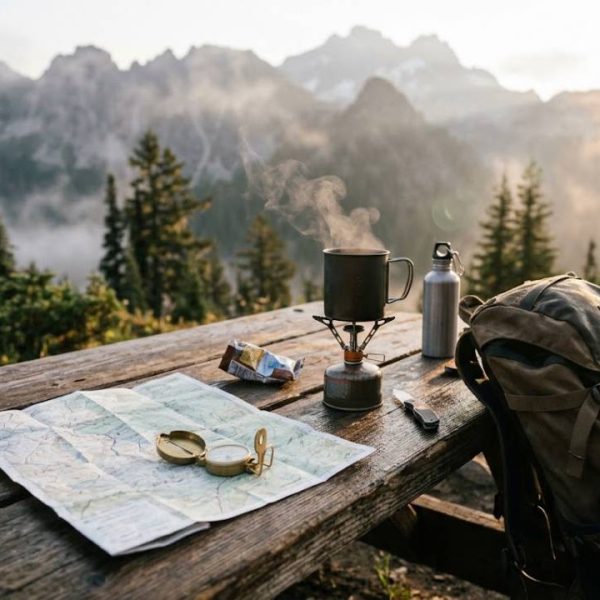
Translation apps, offline maps, and currency converters make travel easier, but they are no substitute for judgment. Download language packs before you leave, charge your devices every night, and carry a power bank. Keep a paper backup of key addresses and phone numbers for the moments when screens fail.
Pack for Flexibility
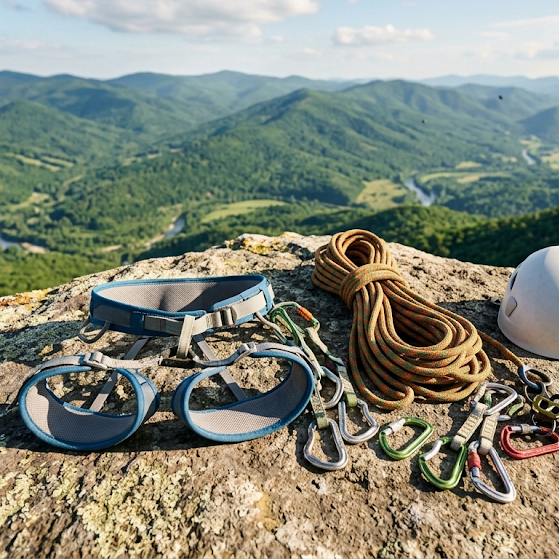
Weather, terrain, and activities change along the way. Layered clothing, a good pair of boots, a lightweight rain shell, and a compact first-aid kit cover most situations. Keep valuables in a safe, hidden place, and leave unnecessary items at home, because every extra kilo becomes heavier at each border.
Stay Safe and Share Your Plans
Tell someone at home about your route, check in regularly, and keep emergency numbers for each country. Learn how to say help, doctor, police, and I am lost in the local language. In remote areas, rely on local guides and follow their advice, especially about weather and wildlife.
Be a Respectful Visitor
Customs around dress, greetings, photography, and religious sites differ widely. Observe, ask politely, and follow local habits. A guest who listens earns much more than one who insists on doing things the way they are done at home.
Handle Money Wisely
Carry a mix of cards and small amounts of cash in local currency. Check which cards work in each country, notify your bank about your route, and keep emergency funds separate from daily spending. Learn the numbers and the usual price ranges so that you can recognize a fair deal.
Connect With Other Travelers and Locals
Hostels, trailheads, and cafes are full of people who have just come from where you are going. Ask about conditions, transport, and hidden places. Share your own tips in return. Conversations with locals, even simple ones, often become the most memorable parts of the trip.
Keep a Travel Journal
Write down words you learn, people you meet, and places you love. A journal turns scattered days into a story, and it helps you remember language details that would otherwise fade. It also makes the trip easier to share when you return.
Final Thoughts
Adventure across borders is a mix of planning and improvisation. Prepare the paperwork, carry key phrases, respect local ways, and leave room for surprises. The journey will teach you more than any guidebook can.